



05 June 2026
Why ICU Care at Home is Better Than Hospital Stay
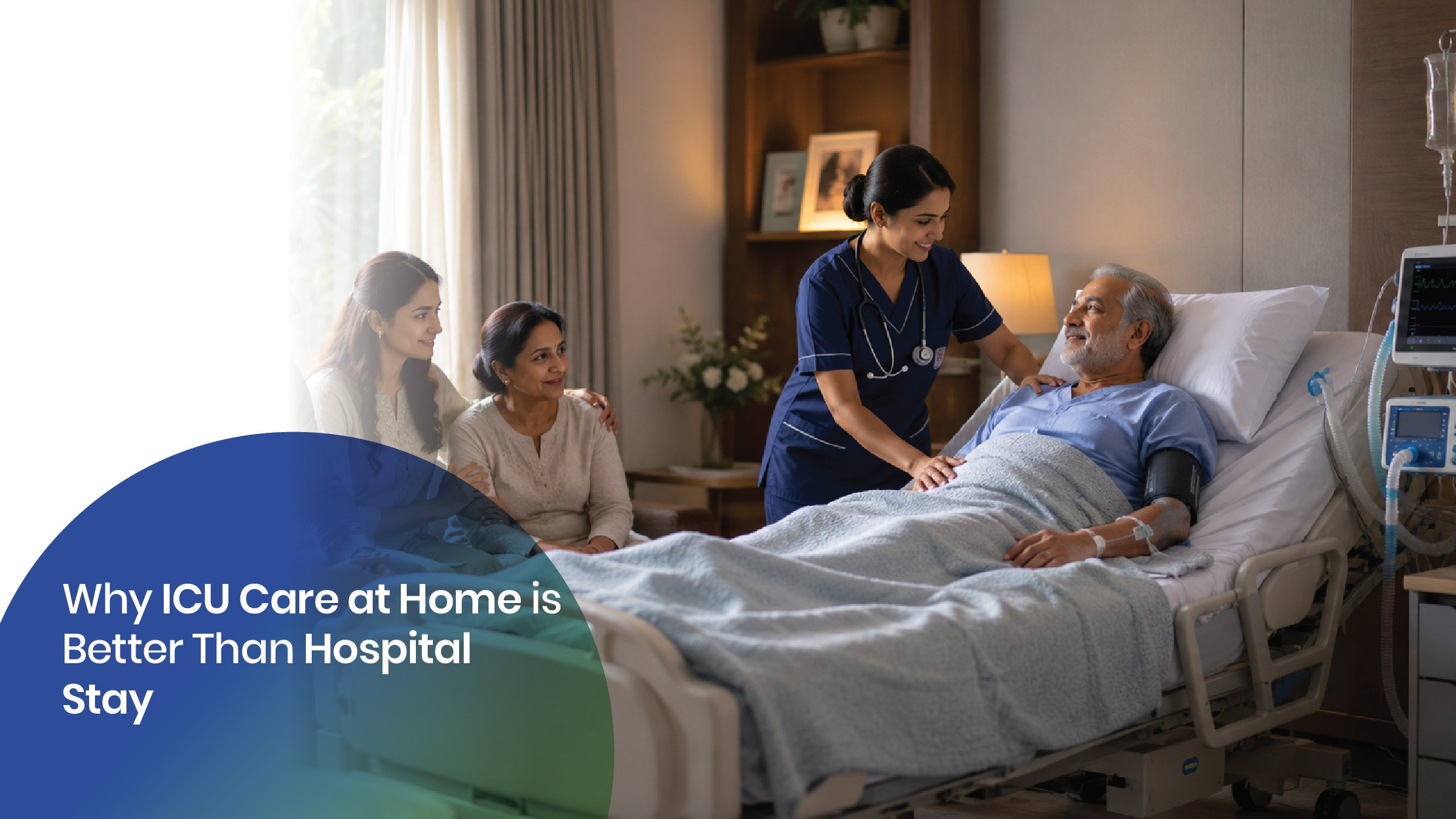
Hospitals start to feel less like a place of healing when your loved one needs stable medical support and more like a second home you never wanted, full of people willing you all the strength in the world. Long hospital stays are exhausting, not only for patients but also for families. That’s where Service for Critical Care at home in Ahmedabad is quietly making a difference. It conveys high-level medical care to your home, without sacrificing safety or surveillance.
For long-term patients, those healing from stroke, neurological disease, chronic respiratory problems, post-ICU weakness or elderly patients in need of 24/7 monitoring, home-based critical care can be truly transformative.
Let’s take a closer look at why more families are opting for this and how, in the end, it totally works.
Hospital-Level Care, Reduce the Hospital Stress
Clearly, hospitals are stressful. Alarms, unfamiliar faces, altered sleep patterns and ongoing anxiety do not support recovery. At home, patients rest better. Comfort from surroundings will reduce the level of stress hormones.
Trained nurses, on-call physicians, ventilator support, oxygen therapy, infusion pumps and the same monitoring can all be provided at home without compromising health care quality.
Comfort Isn’t a Luxury, It’s Part of Healing
The patient sleeps best in his own bed. Eats food they like. Look at the faces of the family instead of the walls of a hospital. These small moments of comfort matter more than we realise, particularly as part of long-term recovery.
Home care helps them to not only remain comfortable, but to be independent, and that's something that gets lost in lengthy hospital stays. Psychologically, this increases trust and the will to heal.
One-on-One Attention (No Sharing Nurses Here)
A single nurse may be responsible for multiple patients in a hospital. At home, all the care focuses on a single patient. Which in turn means a quicker response, closer watch and more individual attention.
Vitals, medications, nutrition, hygiene and mobility exercises all become construction signs for a new kind of patient care. This kind of personalised pat on the back results in lower rates of complications and happier outcomes.
Lower Risk of Infections
Hospital infections are of great concern, especially for immunosuppressed patients. At home, levels of problematic bacteria and viruses are much lower.
With the correct protocols around hygiene and professionals who have been trained to reduce the risk of secondary infections significantly, it's a much safer option for long-term patients to be at home.
Family Stays Involved, Not Helpless
Among the advantages of having critical care at home is the participation of the family. Rather than waiting at the ICU doors, patients’ relatives can remain part of their care.
They encourage recovery, spot warning signals, and have peace of mind knowing that expert help is always available. This psychological support enhances recovery and decreases patient anxiety.
Easier on the Pocket (Without Cutting Corners)
Extended ICU stays are expensive. Day to day, the hospital bills, tests and room fees pile up. Home-based intensive care is also frequently more economical in the long run.
You pay for what you need: equipment, nursing and doctor visits, with no frills attached. The quality of the care remains the same, but the financial load feels lighter.
Recovery Moves Faster at Home
Research and experience prove that patients often feel better in their own homes. Why? Because its movement, routine, sleep and emotional well-being are more organic in their own place.
Physiotherapy, speech therapy, and rehab appointments are scheduled at your home for convenience. Patients are more compliant, less despondent and more energetic at home.
Tech + Human Touch = Best of Both Worlds
It’s not basic nursing, modern home critical care; it’s advanced medicine at home. Safety is ensured through continuous monitoring, emergency measures (protocols), virtual consults and physician follow-up.
Nurses know the patient needs closely. Doctors understand family concerns. This sweet spot of technology and empathy develops trust.
Ideal for Elderly and Chronic Patients
Visits to the hospital can be exhausting and risky for elderly patients who have multiple illnesses. Avoid moving and keep yourself stable at home with critical care.
It’s also great for patients who have :
Neurological conditions
Long-term ventilator needs
Post-ICU recovery
Advanced respiratory disorders
Palliative and supportive care needs
Peace of Mind for the Whole Family
Families can rest easy knowing that professionals are taking care of the medical needs at home. When emergencies happen, they are addressed swiftly and routinely followed up on to ensure continued care.
You are not alone through the journey; that really helps.
Final Thoughts
Home critical care at Advance Home Health Care isn’t a situation where you are replacing hospitals; it is a scenario where you are recovering from your comfort place with the support of your family and experts. For long-term patients, it provides safety, comfort and a greater dignity of life.
When it is done well, with skilled medical teams following proper protocols, home-based critical care is not just an option; it is the smarter, kinder choice for healing.
If it feels better to heal at home than in a hospital bed.
Recent Blogs
08 May 2026
Home Nursing vs Hospital Care: Which is Better?


05 February 2026
Why Families Prefer Paralysis Patient Care at Home in Ahmedabad

03 February 2026
How Cancer Patient Home Care in Ahmedabad Improves Quality of Life
29 January 2026
Why Families Prefer Home Health Care Service in Ahmedabad
05 January 2026
How a Home Nursing Service Supports Faster Recovery?
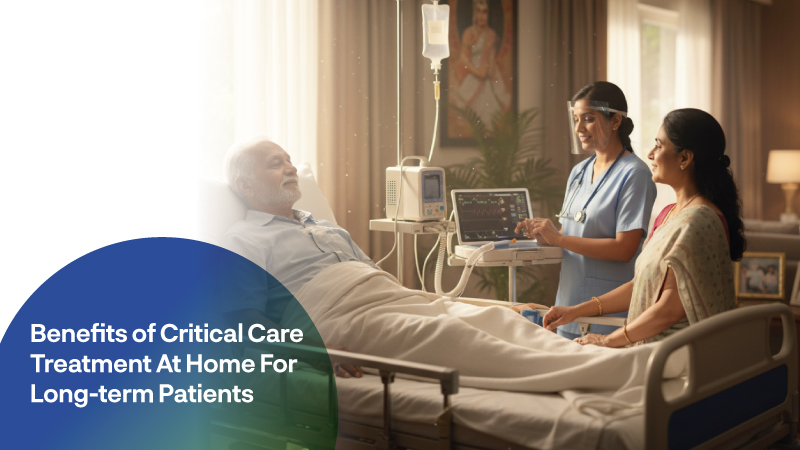
28 December 2025
Benefits of Critical Care Treatment At Home For Long-term Patients
06 December 2025
Home Health Care Services for Cancer Patients
20 November 2025
What Are The Benefits Of Pregnancy Care Services at Home?
06 November 2025
What Are The Benefits Of Home Care Services For The Elderly?
14 October 2025
Types of Home Healthcare Services and Their Importance
06 October 2025
What Are The Benefits of Healthcare Services At Home?